
Fire alarm installation and maintenance tips every West Sussex home and business should know
Most fire alarms in West Sussex are set up without full attention to BS 5839 standards, leaving homes and businesses exposed to risk. False alarms and compliance gaps often catch property owners off guard, leading to costly fixes and safety concerns. This guide shares essential fire alarm installation West Sussex tips plus maintenance advice to keep your system reliable and up to code. Ready to upgrade safety and cut false alarms? Contact Elec Test South East for a free, no-obligation quote and site survey.
Fire Alarm Installation Essentials
Installing a fire alarm system that meets safety standards is crucial for any property. Let’s explore how to choose the right system and ensure it’s installed correctly.
Choosing the Right System
Picking the right fire alarm system can feel overwhelming, but it doesn’t have to be. The key is to match the system to your specific needs. For homes, consider domestic interlinked smoke alarms. These ensure that if one alarm goes off, all others do too, giving you time to react. In kitchens, a heat detector is ideal as it won’t trigger due to cooking smoke. For larger buildings, an addressable fire alarm system offers precise fire location details, crucial for quick responses. Want a fuss-free option? Wireless fire alarms offer easy installation without the need for extensive wiring.
Remember, a system that suits your property type can save lives and reduce damages. Consulting a NICEIC approved electrician can guide you to the best choice. Their expertise ensures that the system you choose is tailored and compliant.
Installation Best Practices
How you install a fire alarm can impact its effectiveness. Start by placing smoke alarms in every sleeping area and on every floor of your home. For larger properties, ensure alarms are spread evenly throughout. Smoke alarm testing is essential: press the test button monthly to ensure functionality. Don’t overlook emergency lighting testing; it’s vital in guiding occupants to safety during an emergency.
Use the services of an ECA approved contractor for installation. An expert can provide assurance that the installation meets all regulatory requirements. Incorrect installation can lead to false alarms or, worse, a failure to detect a fire. By ensuring proper setup, you increase the system’s reliability and effectiveness.
Effective Fire Alarm Maintenance
A fire alarm is only as good as its upkeep. Regular maintenance ensures it functions when needed and reduces the likelihood of false activations.
Regular Testing and Servicing
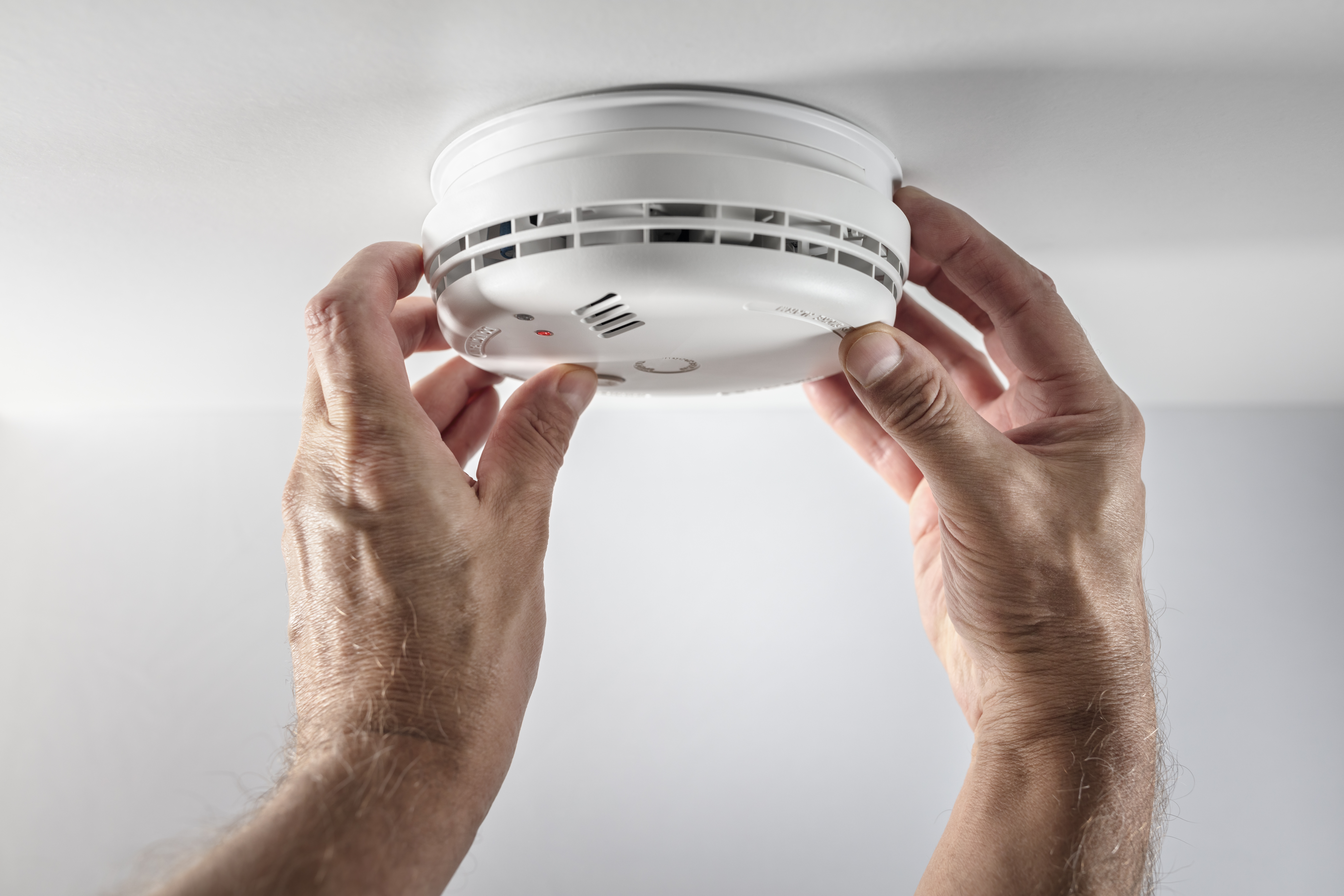
Regular upkeep of your fire alarm is essential for safety. Start with simple smoke alarm testing monthly to ensure each unit works. An annual check by professionals can identify any issues that need fixing. This includes battery checks and verifying connections. Most people assume their alarms don’t need frequent checks, but regular servicing can prevent malfunctions.
Did you know? A neglected alarm might not warn you during a fire. Most systems have a lifespan of about 10 years, so consider replacement if yours is older. Keeping up with maintenance allows you peace of mind, knowing your alarm will perform in an emergency.
Reducing False Alarms
False alarms can be a nuisance and cause unnecessary panic. They often result from improper placement or lack of maintenance. Placing a smoke alarm too close to a kitchen or bathroom can trigger false alerts. Instead, use a heat detector for kitchen areas to avoid this.
Regular cleaning is also vital. Dust can interfere with sensors, leading to false alarms. If false alarms persist, it might be time to consult an expert to assess the system. Reducing these incidents not only saves headaches but ensures the alarm is taken seriously when truly needed.
Compliance and Regulations
Understanding and adhering to regulations is key for safety and legal compliance. Let’s delve into the BS 5839 standards and specific requirements for landlords and businesses.
Understanding BS 5839 Standards
BS 5839 standards are vital for fire alarm systems in the UK. These regulations outline the design, installation, and maintenance of fire alarms. BS 5839-1 applies to commercial properties, while BS 5839-6 is specific to domestic homes. These standards ensure that systems are reliable and effective.
Compliance might seem daunting, but following these guidelines can prevent legal issues and enhance safety. Regular system reviews and updates ensure you’re always within the law and protecting your property effectively.
Landlord and Business Requirements
As a landlord or business owner, you have specific obligations under the Regulatory Reform (Fire Safety) Order 2005 and the Smoke and Carbon Monoxide Alarm Regulations. Landlords must ensure smoke alarms are on each floor and that tenants are aware of their locations. Landlord smoke alarm regulations England require checks at the start of each tenancy.
For businesses, regular commercial fire alarm servicing is crucial. This involves routine checks and maintenance to ensure all alarms function correctly. Non-compliance can result in hefty fines and increased risk. Keeping up with regulations not only protects your property but also enhances its value and safety.
By following these guidelines, you ensure your fire alarm system is both compliant and effective, safeguarding your property and those within it.