Top electrical safety tips for landlords and letting agencies in West Sussex
Landlord electrical safety can’t be an afterthought—especially with regulations tightening across West Sussex. Getting your properties checked with a thorough Electrical Installation Condition Report (EICR) isn’t just smart; it’s essential to keep tenants safe and avoid costly penalties. In this guide, you’ll find straightforward tips on maintaining compliance, choosing the right NICEIC electrician West Sussex landlords trust, and ensuring your rental property electrics meet every standard. For more information, you may find this helpful link useful.
Importance of Electrical Safety for Landlords
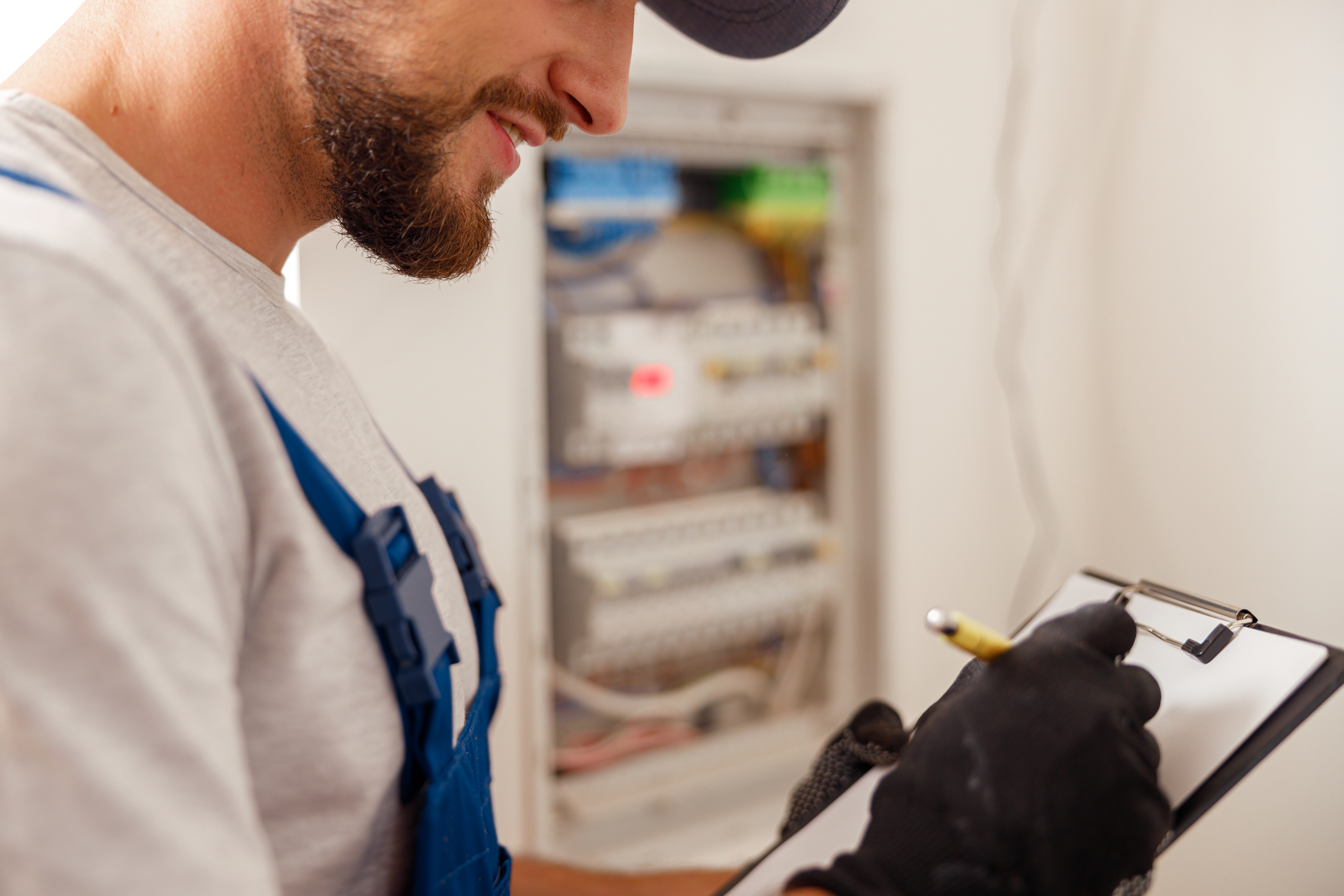
Safety in rental properties isn’t just a box to tick; it’s a lifesaver. Understanding the legal and practical aspects of electrical safety can save you headaches and money.
Legal Requirements and Responsibilities
Keeping your property compliant isn’t just good practice, it’s the law. In West Sussex, landlords must ensure electrical systems are checked at least every five years. This means obtaining an Electrical Installation Condition Report (EICR) from a qualified electrician. This report certifies that your property meets necessary safety standards. Not doing so can result in hefty fines and potential invalidation of your insurance. Ensuring compliance not only protects your tenants but also secures your investment.
Common Electrical Hazards in Rentals
Electrical hazards are more common than you might think. Frayed wires, outdated systems, and overloaded circuits pose significant risks. These issues can lead to fires or electrical shocks, endangering lives and property. Regular inspections and maintenance help identify these hazards early. For instance, a simple check of appliance cords and sockets can uncover issues before they escalate. Most landlords might overlook these, but addressing them promptly can prevent severe consequences.
Ensuring HMO Electrical Safety
For properties classified as Houses in Multiple Occupation (HMO), electrical safety takes on additional importance. Multiple tenants mean increased electrical use, raising the risk of faults. Regular electrical checks are a must to ensure everything remains in top condition. Installing fire alarms and ensuring emergency lighting can also make a significant difference. It’s not just about meeting regulations; it’s about creating a safe living environment. The longer you wait, the greater the risk. Taking action now is crucial for peace of mind.
Essential Electrical Checks and Tests
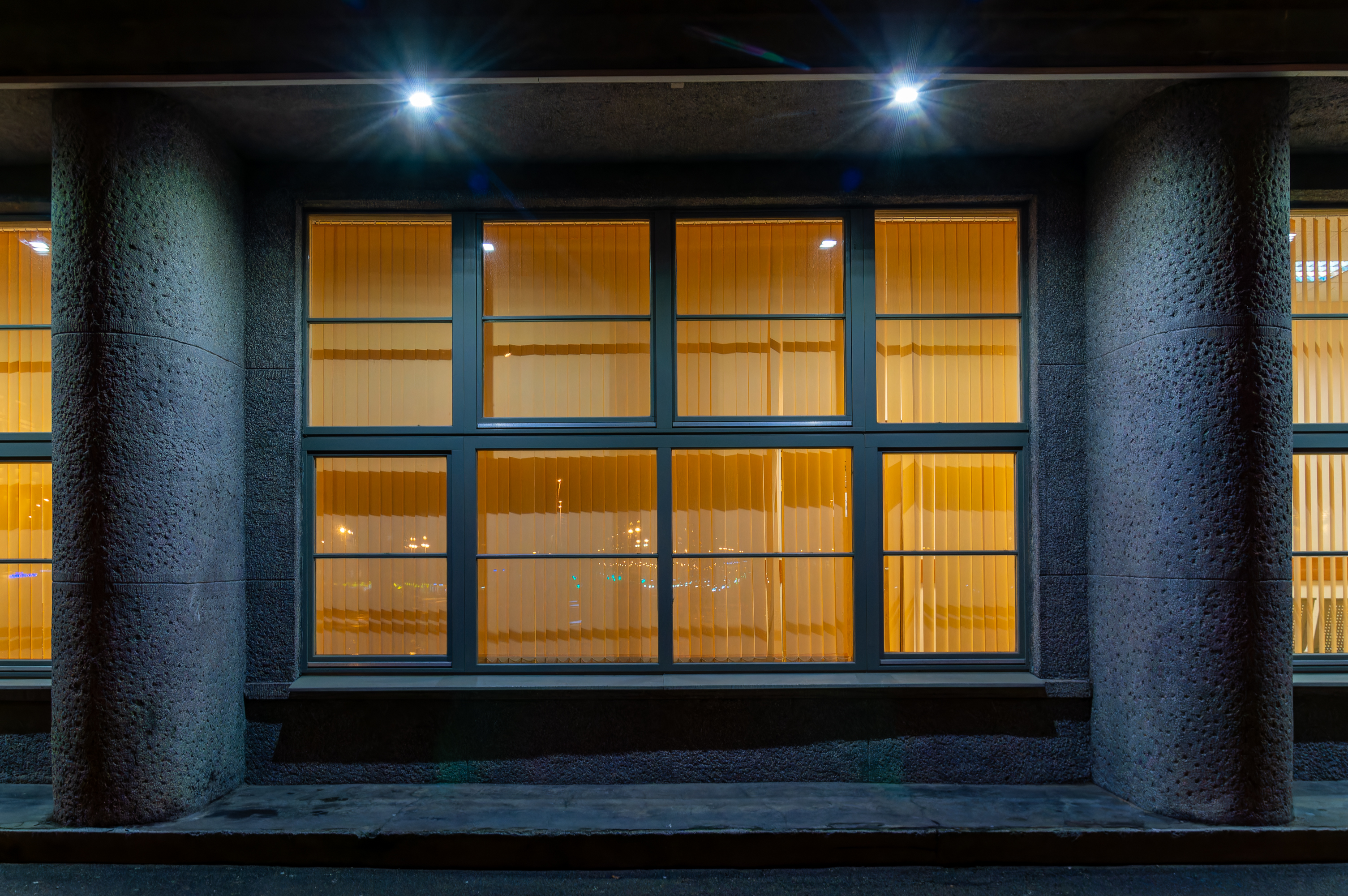
Regular checks are the backbone of electrical safety in rental properties. Let’s explore the key tests every landlord should prioritise.
Conducting an EICR in West Sussex
An EICR is your first line of defence against electrical issues. It involves a thorough inspection of your property’s electrical installations. This includes wiring, consumer units, and all fixed electrical equipment. The aim is to identify potential hazards and recommend necessary remedial actions. These inspections are typically required every five years, or sooner if specified by the inspector. By conducting an EICR, you ensure your property is safe and compliant, providing peace of mind for both you and your tenants.
Benefits of PAT Testing for Landlords
Portable Appliance Testing (PAT) is another essential check. It focuses on the safety of electrical appliances provided in rental properties. PAT testing involves checking the condition of items like kettles, microwaves, and other plug-in devices. This helps prevent electrical accidents and ensures appliances are safe for tenant use. Regular PAT testing can uncover faults early, reducing the risk of breakdowns or safety issues. Many landlords find this step invaluable in maintaining a safe rental environment.
Importance of Emergency Lighting Testing
Emergency lighting is crucial, especially in HMOs and larger properties. In the event of a power cut, these lights guide tenants to safety. Regular testing ensures they function correctly when needed. Scheduled checks should be part of your regular maintenance routine. This not only meets legal requirements but also shows tenants you prioritise their safety. Ill-maintained lighting can lead to dangerous situations, so keeping these systems in working order is vital.
Upgrades and Maintenance for Safety
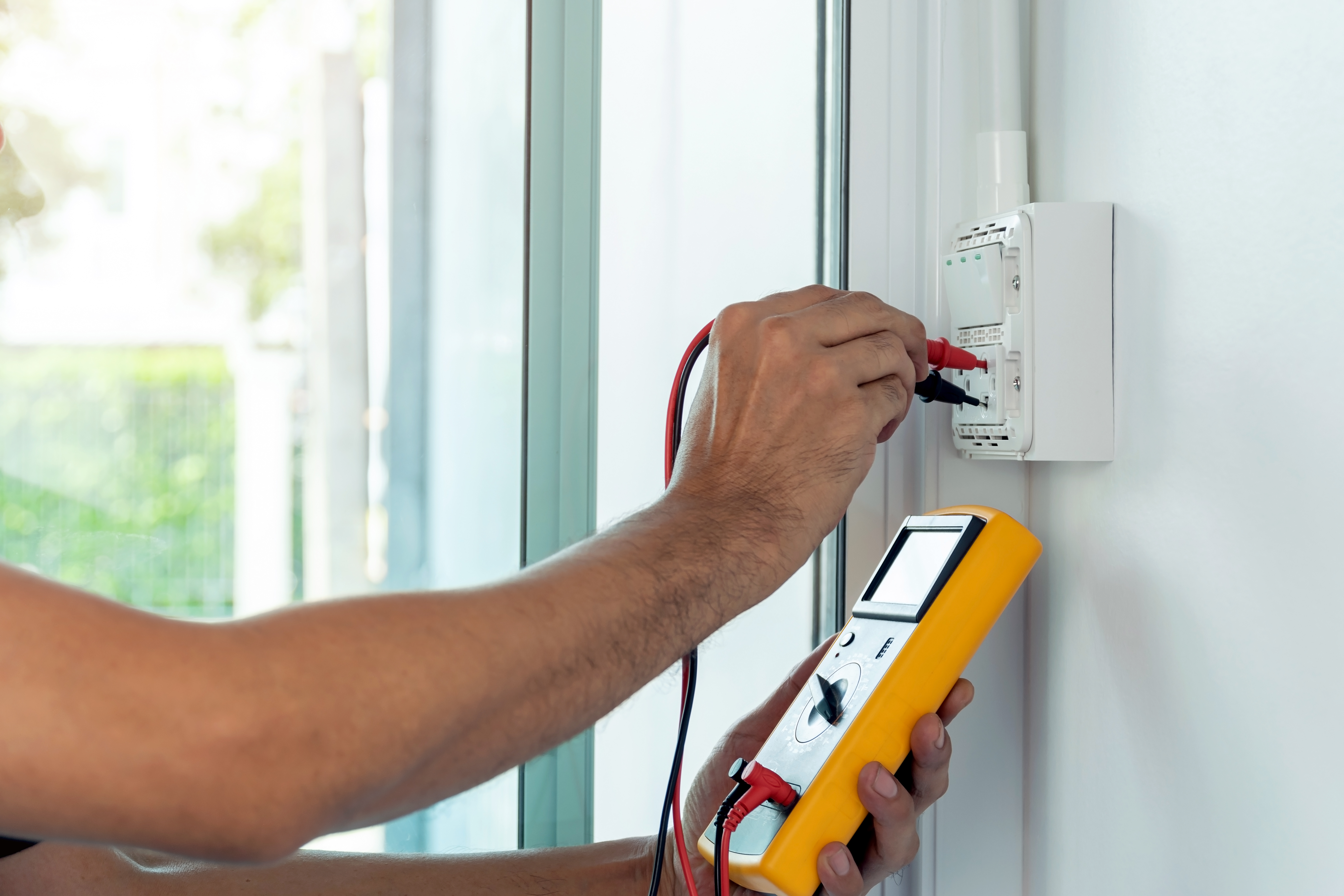
Upgrading and maintaining your property’s electrical systems ensures long-term safety and compliance. Let’s explore the key upgrades to consider.
Consumer Unit Upgrades with RCD Protection
Up-to-date consumer units with RCD protection are essential. An RCD (Residual Current Device) protects tenants by quickly cutting off electricity if a fault is detected. This prevents serious injuries from electric shocks. Many older properties lack this crucial safety feature. Upgrading your consumer unit can significantly enhance safety and meet modern safety standards. This move not only protects tenants but also enhances your property’s appeal to potential renters.
Fire Alarm Installations for HMOs
Fire safety is paramount, especially in HMOs. Installing reliable fire alarms is a legal requirement that saves lives. These systems provide early warnings, allowing tenants to evacuate promptly. Regular checks and maintenance ensure they’re always ready to function. Consider integrating them with emergency lighting for comprehensive safety coverage. By prioritising fire alarm installations, you’re safeguarding both your tenants and your investment.
Regular Maintenance and Remedial Works
Regular maintenance and addressing remedial works are crucial for ongoing safety. This involves fixing identified issues from EICR reports and conducting routine checks. Small issues, if left unattended, can escalate into significant problems. Regular maintenance not only prevents hazards but also extends the lifespan of your electrical systems. For landlords, this means fewer emergency repairs and more satisfied tenants. Consistent care and attention keep your property safe and your tenants happy.
By staying proactive with electrical safety, you not only comply with regulations but also protect your property and ensure tenant safety. Prioritising these checks and upgrades demonstrates a commitment to quality and reliability, reinforcing your reputation as a responsible landlord.