What to Expect During an Electrical Installation Condition Report (EICR) in West Sussex
Many property owners in West Sussex underestimate the importance of a thorough Electrical Installation Condition Report (EICR). Skipping this vital check can lead to costly repairs or non-compliance with safety regulations. Our clear guide will walk you through what happens during an EICR, so you know exactly what to expect and how to keep your home or business safe. Ready for a compliant, clearly explained EICR? Contact Elec Test South East today for a fast, fixed quote and priority booking. Learn more about EICR here.
Understanding the EICR Process
Knowing what happens during an EICR can ease your mind and help you prepare. Let’s dig into why these inspections are vital for safety and compliance.
Why an EICR is Essential
An EICR, or Electrical Installation Condition Report, is crucial for ensuring your property’s electrical system remains safe. Imagine avoiding potential fire hazards or costly repairs by catching them early. That’s the primary benefit an EICR offers. It’s not just about safety; it’s about peace of mind. In West Sussex, landlords are legally required to conduct these checks every five years. Homeowners often think their electrical systems are fine until they aren’t. Regular inspections prevent unexpected issues, ensuring your home or business stays compliant with safety standards. Don’t wait for a problem to arise; proactive checks can save you time and money.
Key Steps in an EICR
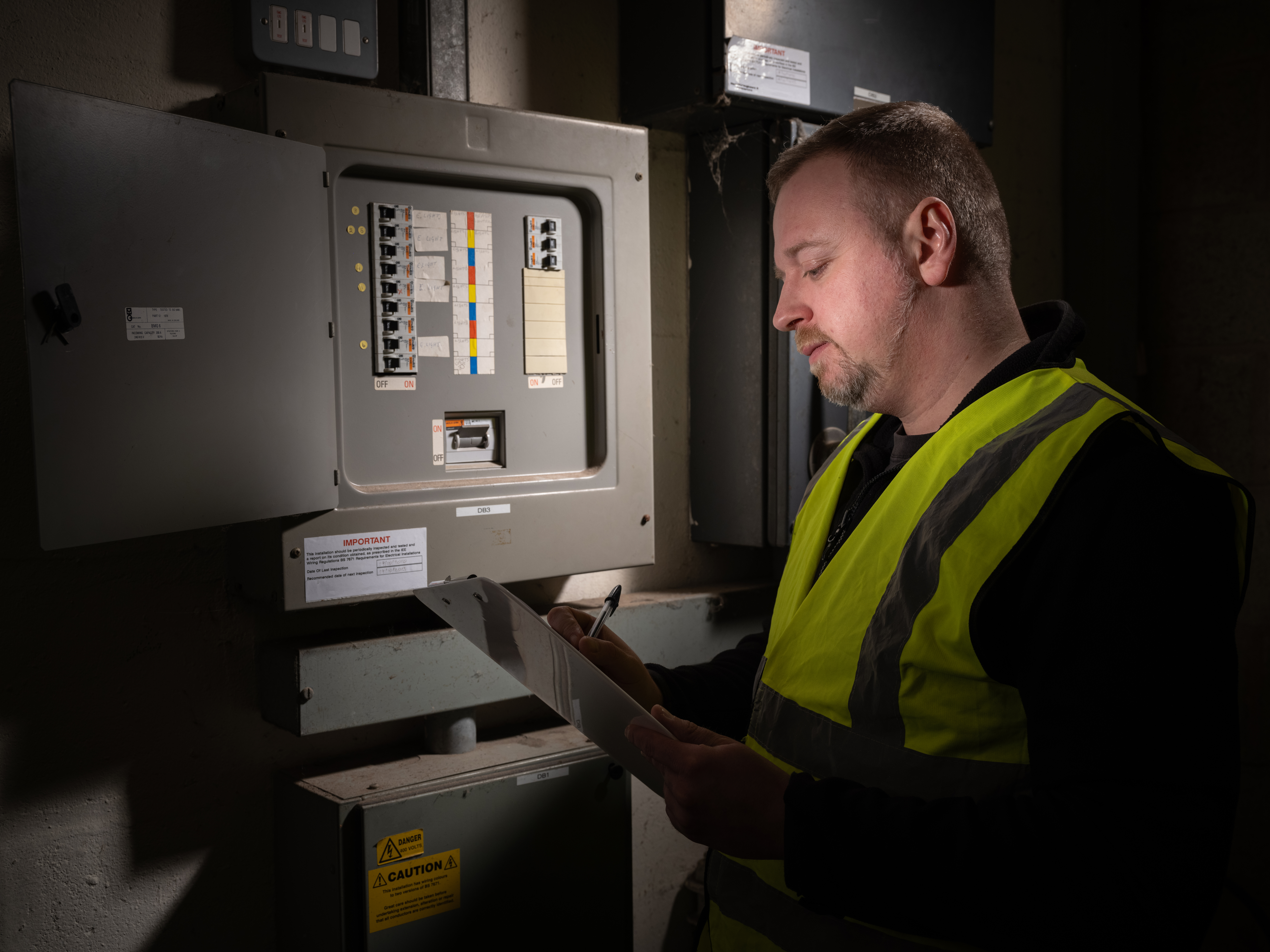
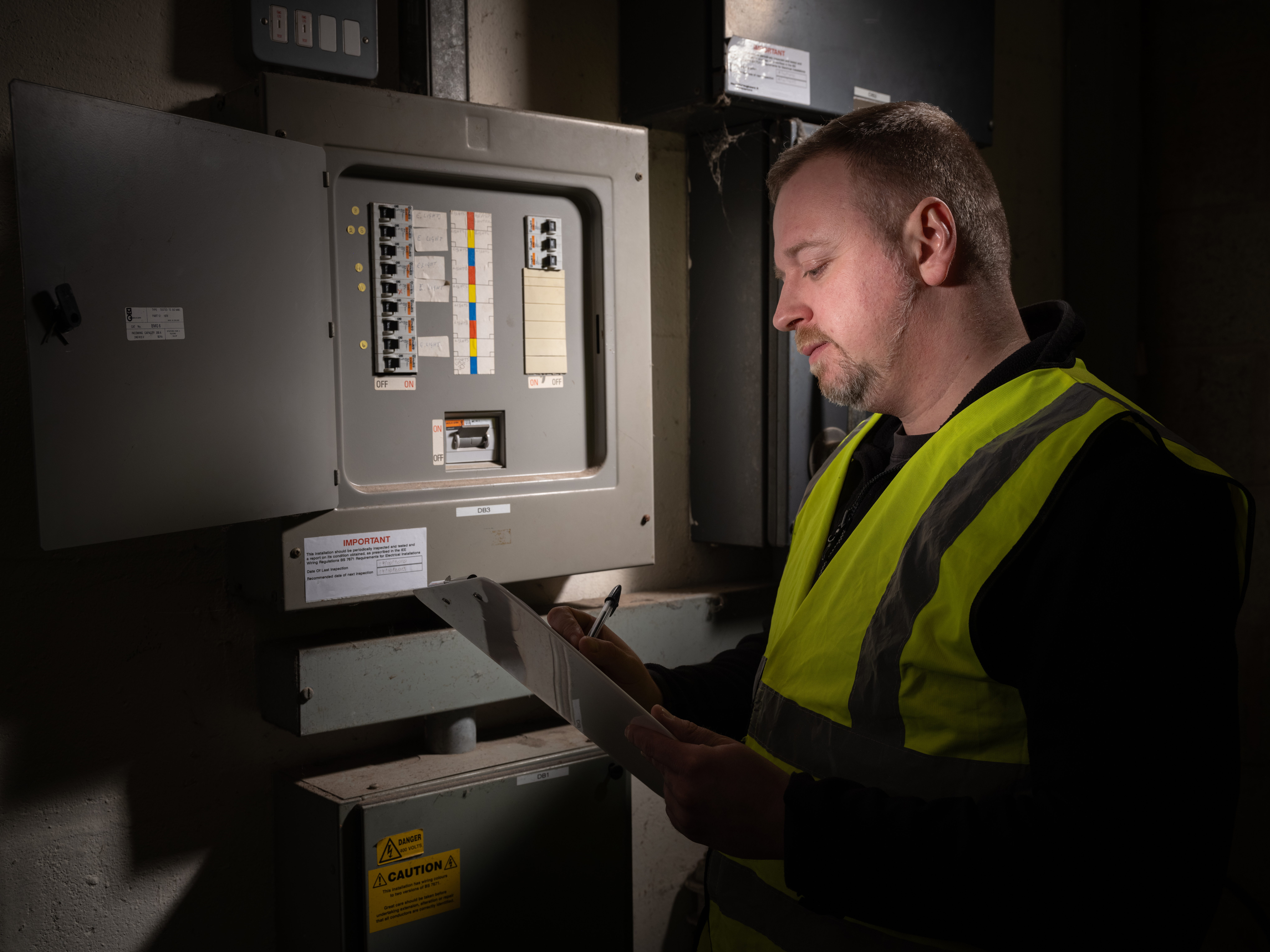
Curious about what happens during an EICR? The process includes several key steps to thoroughly assess your electrical systems. First, an inspection of all visible electrical installations is conducted. This includes checking wiring, sockets, and consumer units. Next, testing is performed to ensure everything functions safely. The electrician will look for any signs of wear or damage that could pose a risk. Then, results are recorded, and any issues are classified according to their urgency. This systematic approach ensures nothing is overlooked. Understanding these steps helps you see the value in addressing potential problems before they escalate.
Common Findings in Reports
You might wonder what typically shows up in these reports. Common findings often include outdated wiring, lack of earthing, or faulty RCDs (Residual Current Devices). These can pose serious risks if left unchecked. For instance, outdated wiring can lead to electrical faults or even fires. By catching these issues early, you can avoid major disruptions. Ignoring them might seem tempting, but the consequences can be severe. Reports will detail these findings, offering clear guidance on necessary actions. Comprehending these common issues ensures you’re not caught off guard and allows for timely repairs.
Preparing for Your Inspection
Getting ready for your EICR? Preparation makes the process smoother and quicker. Here’s what you need to know to ensure a successful inspection.
Pre-Visit Guidance Tips
Preparation is the key to a smooth EICR. Before the inspection day, ensure easy access to all electrical components. Move furniture away from sockets and panels. This helps the electrician work efficiently. If you’re a landlord, inform your tenants about the inspection schedule. They should know what to expect and how long it might take. Clear communication can prevent misunderstandings. Remember to have past reports handy if you’ve done this before. This gives the electrician a clearer picture of your property’s electrical history. A little preparation goes a long way in making the inspection hassle-free.
What to Expect During Testing
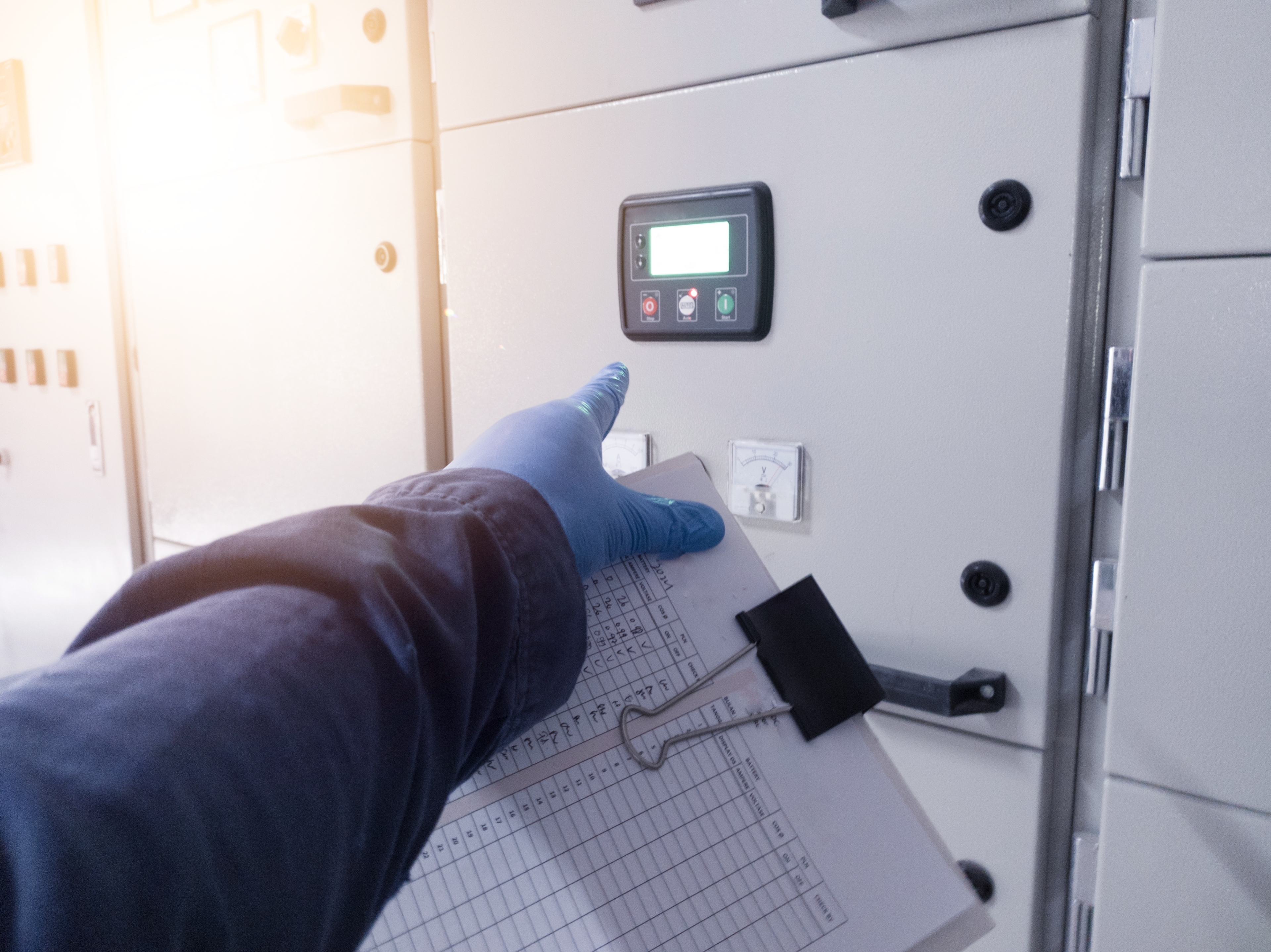
During the EICR, the electrician will conduct thorough testing. This includes checking circuit integrity and functioning of safety devices. Expect some circuits to be temporarily switched off. Don’t worry, this is standard and ensures accurate testing. The process might take a few hours, depending on your property’s size. The electrician will work methodically, ensuring each element is checked properly. Their goal is to identify any potential issues that could compromise safety. Understanding that these steps are necessary for a detailed assessment helps you appreciate the thoroughness of the inspection.
Understanding Your EICR Results
Once the EICR is complete, you’ll receive a detailed report. This document outlines the findings, highlighting any areas requiring attention. Each issue will be coded to indicate its severity. For instance, a code C1 requires immediate action due to a dangerous condition. A C2 suggests potential danger needing urgent improvement, while a C3 indicates recommended improvements for future safety. Understanding these codes is crucial for prioritising repairs. The report is not just a list of faults; it’s a roadmap to a safer electrical system. Knowing how to interpret these results empowers you to make informed decisions.
Post-Inspection Actions

With your EICR in hand, the next steps are crucial. Addressing findings promptly ensures continued safety and compliance, giving you peace of mind.
Interpreting Coded Observations
Your EICR will feature coded observations. Each code represents the urgency of the issue. Code C1 means immediate action is required; C2 suggests potential danger; C3 recommends improvements. Understanding these codes helps you prioritise actions. For example, a C1 might involve fixing exposed wiring, while a C3 could suggest upgrading an aging circuit. Knowing what each code means ensures you address issues effectively. Don’t feel overwhelmed; these codes guide you in maintaining a safe property. Taking timely action based on these observations keeps your electrical systems in top shape.
Prioritising Remedial Works
After understanding the codes, it’s time to act. Start with the most urgent issues. Fixing C1 codes should be your top priority. These are immediate dangers and need quick resolution. For C2 codes, plan for timely repairs to prevent further problems. C3 codes can be scheduled for future improvements. This prioritisation helps manage costs and ensures you address the most critical issues first. Ignoring these could lead to bigger problems down the line. By tackling remedial works systematically, you maintain a safe and compliant property, avoiding unexpected breakdowns and ensuring peace of mind.
Scheduling Follow-Up Inspections
Once remedial works are complete, consider scheduling follow-up inspections. These help verify that all issues have been resolved. A follow-up ensures your property remains compliant and safe. It’s also an excellent opportunity to catch any new issues early. Regular inspections should be part of your routine maintenance plan. In West Sussex, properties often require checks every five years, but more frequent inspections can be beneficial. Keeping up with these ensures your home or business remains in top condition. Regular follow-ups are a proactive approach to maintaining a safe environment for everyone.
In conclusion, understanding the EICR process and taking prompt action on findings is crucial for maintaining a safe property. By staying informed and proactive, you ensure your home or business complies with safety standards, providing peace of mind for you and those who rely on your property. Consider contacting a trusted electrician in West Sussex to schedule your next EICR and keep your property in optimal condition.