
EICR in West Sussex: A Simple Guide to the Electrical Installation Condition Report
Most landlords in West Sussex face strict deadlines to prove their properties meet electrical safety standards. Missing these can lead to costly fines or worse, unsafe living conditions. This guide breaks down the Electrical Installation Condition Report process, explaining who needs one, how often, and what the inspection covers, so you can stay compliant and confident. Ready to understand your landlord electrical certificate or book your EICR West Sussex inspection? Find out more here.
Understanding EICR in West Sussex

Ensuring your property meets electrical safety standards is crucial. The Electrical Installation Condition Report (EICR) is your guide to achieving compliance. Let’s break down what an EICR is and why it’s necessary.
What is an Electrical Installation Condition Report?
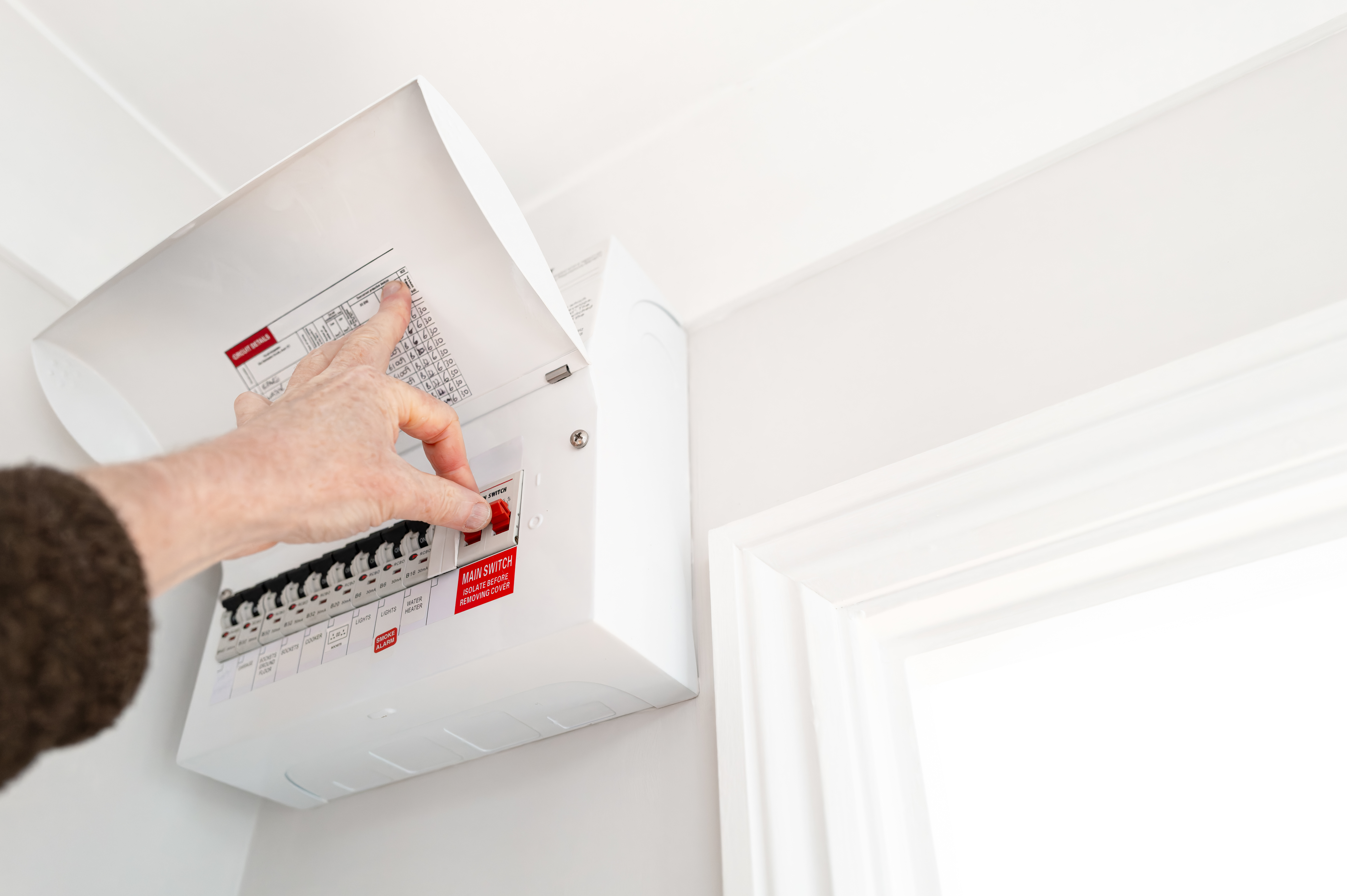
An EICR is a detailed assessment of your property’s electrical installations. It covers wiring, sockets, and more, providing a snapshot of their condition. The report identifies potential issues that need attention to maintain safety.
-
Detailed Check: Includes wiring, consumer units, and RCDs.
-
Safety First: Detects any faults that could pose safety risks.
After the inspection, you receive a report highlighting any defects and recommendations for remedial action. This report ensures that your property is both safe and legally compliant.
Who Needs an EICR?
Landlords and property owners in West Sussex must prioritize electrical safety. But who exactly needs an EICR? If you own rental properties, you are responsible for ensuring they meet safety standards.
-
Landlords: Required by law to have an EICR.
-
Commercial Owners: Ensure workplace safety and compliance.
Having an EICR reassures tenants and employees that their environment is safe. It also protects you from potential legal issues or fines that can arise from non-compliance.
Frequency of EICR Inspections
Regular inspections help maintain safety and prevent costly repairs. But how often should these inspections take place?
-
Every 5 Years: Standard requirement for rental properties.
-
More Frequently: If specified by the inspector.
Sticking to this schedule helps avoid unexpected issues and keeps your property in top condition. It also makes sure you’re always ready for any official checks or requirements.
Inside the EICR Process

The EICR process is straightforward but detailed. Understanding the stages can help you prepare and ensure a smooth inspection.
Key Stages of the Inspection
An EICR inspection involves several key stages. Each part of the process is crucial to ensure a comprehensive assessment of your electrical systems.
-
Initial Assessment: The electrician examines the current state of the electrics.
-
Detailed Testing: Includes testing circuits, wiring, and safety devices.
-
Report Compilation: Findings are documented, highlighting any issues.
Knowing these stages prepares you for what to expect and ensures you can address any potential problems promptly.
Decoding C1, C2, C3, FI Codes
The EICR report uses codes to classify the condition of your electrical installations. Understanding these codes is vital for interpreting your report.
-
C1 – Immediate danger; needs urgent attention.
-
C2 – Potential danger; requires action.
-
C3 – Improvement advised for future safety.
-
FI – Further investigation needed.
These codes guide you on the urgency and type of remedial work needed, helping prioritize actions to maintain safety.
Handling Remedial Works
After receiving your EICR, it might highlight areas needing remedial work. Here’s how to handle these effectively:
-
Quick Action: Address C1 issues immediately to ensure safety.
-
Plan for C2 and C3: Schedule necessary repairs and upgrades.
-
Consult Professionals: Engage qualified electricians for repairs to guarantee compliance and quality.
Taking these steps ensures your property remains safe and compliant, avoiding potential fines or hazards.
Choosing the Right Electrician
Selecting the right professional for your EICR and any remedial work is crucial. Here’s what to look for in an electrician.
Credentials of NICEIC and ECA
Trust and certification are key when choosing an electrician. NICEIC and ECA certifications indicate a high standard of professionalism and reliability.
-
NICEIC Certified: Ensures the electrician is qualified and competent.
-
ECA Approved: Guarantees adherence to industry standards.
These certifications provide assurance that your property’s electrical systems are in safe hands.
Benefits of Choosing ETSE
ETSE offers more than just electrical services; they provide peace of mind. Here’s why they stand out:
-
75+ Years Experience: A wealth of expertise in handling diverse electrical needs.
-
Local Reputation: Trusted by the community for reliability and quality.
Choosing ETSE means choosing a partner who understands your needs and prioritizes your safety and satisfaction.
Booking Your EICR Today
Don’t wait until it’s too late. Booking your EICR with ETSE is a simple step towards ensuring safety and compliance.
-
Easy Booking: Convenient online scheduling for your inspection.
-
Prompt Service: Quick response times for urgent needs.
Secure your property’s safety today by booking an EICR with ETSE, your trusted local experts in West Sussex.