
Fire alarm installation and maintenance: a practical guide for West Sussex property owners
Many property owners in West Sussex underestimate how complex fire alarm installation and maintenance can be. Getting it right means more than just fitting devices—it’s about meeting BS 5839 compliance and keeping your property safe and certifiable. This guide breaks down what you need to know, from choosing the right system to ongoing maintenance, so you can protect your home or business with confidence. For additional insights, you can refer to this resource.
Understanding Fire Alarm Standards
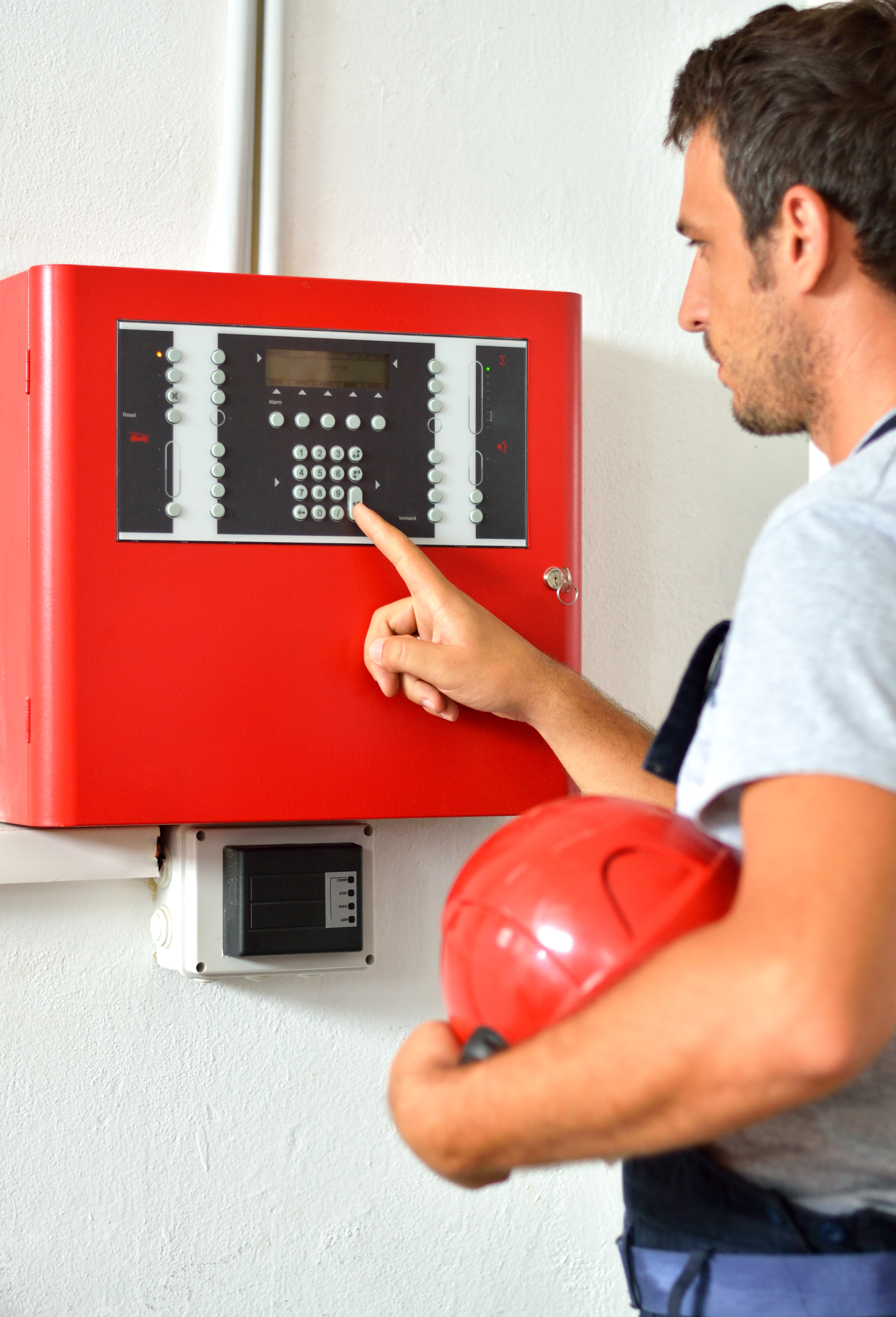
Navigating fire alarm standards can seem overwhelming, but understanding them is key to safety and compliance. Let’s explore what these standards entail and why they’re essential for your property.
BS 5839 Compliance Essentials
BS 5839 sets the standard for fire alarm systems in the UK, ensuring safety and reliability. Compliance isn’t just a legal requirement—it’s a way to secure your property and protect its occupants. The standard covers everything from design to installation, making sure your system is fit for purpose. Many property managers find peace of mind in knowing that their systems are up to par. Embracing this standard means regular checks and keeping detailed records of your system’s performance. By aligning with BS 5839, you can avoid potential fines and ensure your fire alarm system functions optimally.
Importance of Regular Maintenance
Regular maintenance is the backbone of a reliable fire alarm system. It ensures that your system is always ready to perform when needed. Neglecting maintenance can lead to false alarms or, worse, a system failure during an emergency. For a detailed guide on maintaining your fire alarm system, check out these tips. Routine checks involve inspecting all components for wear and tear, testing alarms, and ensuring power sources are working. This routine doesn’t just keep your alarms functioning; it also extends their lifespan. Remember, the longer you delay maintenance, the higher the risk of malfunction.
Selecting the Right Fire Alarm System
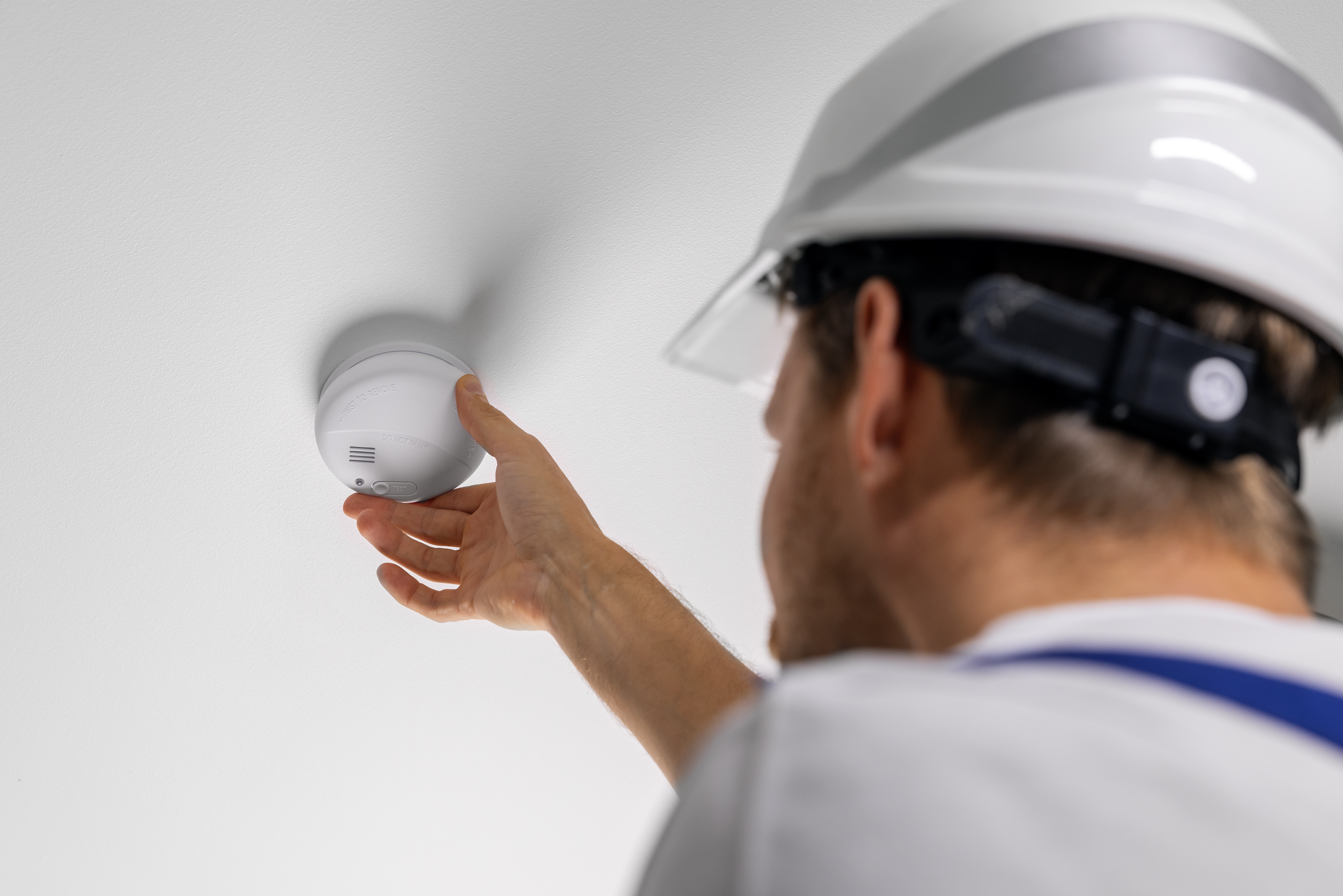
Choosing the right fire alarm system is crucial for effective fire protection. Let’s compare different systems to find what suits your needs best.
Comparing Addressable and Conventional Systems
When selecting a fire alarm system, you might consider addressable or conventional setups. Addressable systems are ideal for larger properties, as they can pinpoint the exact location of an alarm, reducing response time. They also allow for more detailed monitoring and control. Conventional systems, on the other hand, are simpler and often more cost-effective for smaller properties. They divide your property into zones, alerting you to the general area of a fire. Each type has its benefits: addressable systems offer precision, while conventional systems provide straightforward functionality. Most people think they need the latest technology, but sometimes a conventional system is perfectly adequate.
Benefits of Wireless Fire Alarms
Wireless fire alarms offer flexibility and ease of installation, especially in buildings where wiring is a challenge. These systems are quick to set up and can be easily relocated if needed. For an in-depth look at the benefits, see this article. Wireless alarms eliminate the need for extensive cabling, saving time and reducing installation costs. They are also ideal for properties where aesthetics or structural integrity might be compromised by wiring. While some assume wired systems are more reliable, wireless technology has advanced significantly, providing robust protection without the hassle of extensive infrastructure.
Effective Maintenance Practices
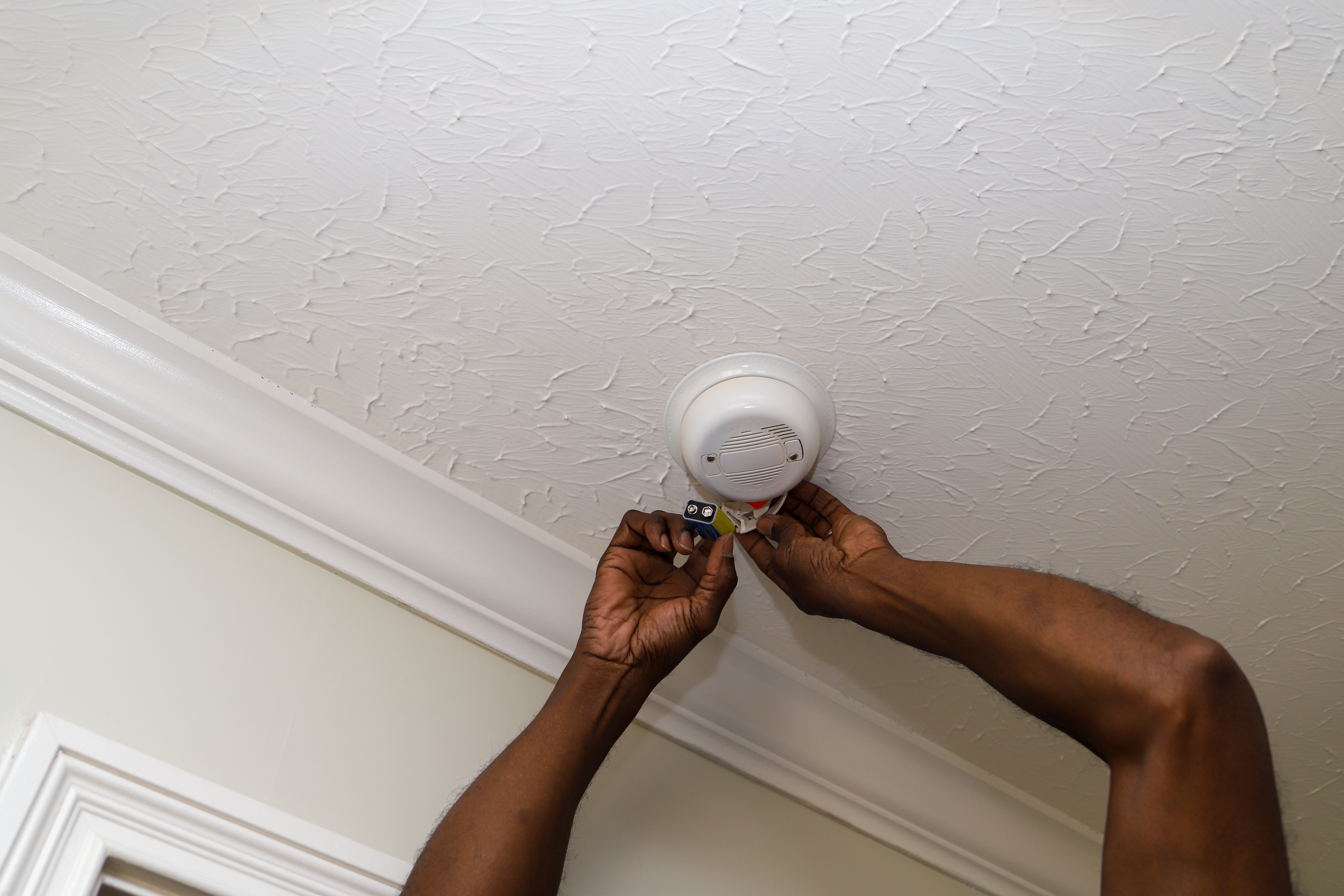
Adopting effective maintenance practices ensures your fire alarm system remains reliable and compliant. Let’s explore how regular testing and record-keeping can make a difference.
Weekly Fire Alarm Testing Guidelines
Weekly testing is a simple yet crucial practice that ensures your fire alarms are functioning correctly. Testing involves activating the call points and ensuring all alarms sound properly. You can follow these essential safety practices for comprehensive guidance. Regular testing helps identify issues early, preventing potential failures. It’s a small commitment that offers significant returns in safety. If you’re unsure how to conduct these tests, professional services can provide guidance or handle the testing for you.
Keeping a Comprehensive Fire Alarm Logbook
A comprehensive logbook is more than just a record—it’s a tool for tracking the health of your fire alarm system. Recording each test, maintenance activity, and any issues ensures you have a clear history of your system’s performance. This practice not only keeps you organized but also helps during audits or inspections. A well-maintained logbook can highlight patterns, allowing you to address recurring issues proactively. Don’t underestimate the power of documentation; it can save time and prevent misunderstandings. For more insights into maintaining effective records, check out these essential tips.
In summary, understanding fire alarm standards and choosing the right system are foundational steps in fire safety. Regular maintenance and accurate record-keeping ensure your system’s reliability. Protect your property and its occupants by staying informed and proactive.