How to Spot Electrical Hazards Early in Your West Sussex Home (and What to Do Next)
Electrical hazards at home often start with subtle signs, but ignoring them can lead to serious risks. Flickering lights, warm plug sockets, or a burning smell from sockets are early signs of electrical problems you shouldn’t overlook. Knowing what to look for helps you act quickly and protect your West Sussex property. Keep reading to learn how to spot these warning signs and why booking an EICR West Sussex inspection with Elec Test South East brings peace of mind. For more information on preventing electrical hazards, visit this page.
Recognising Electrical Hazards
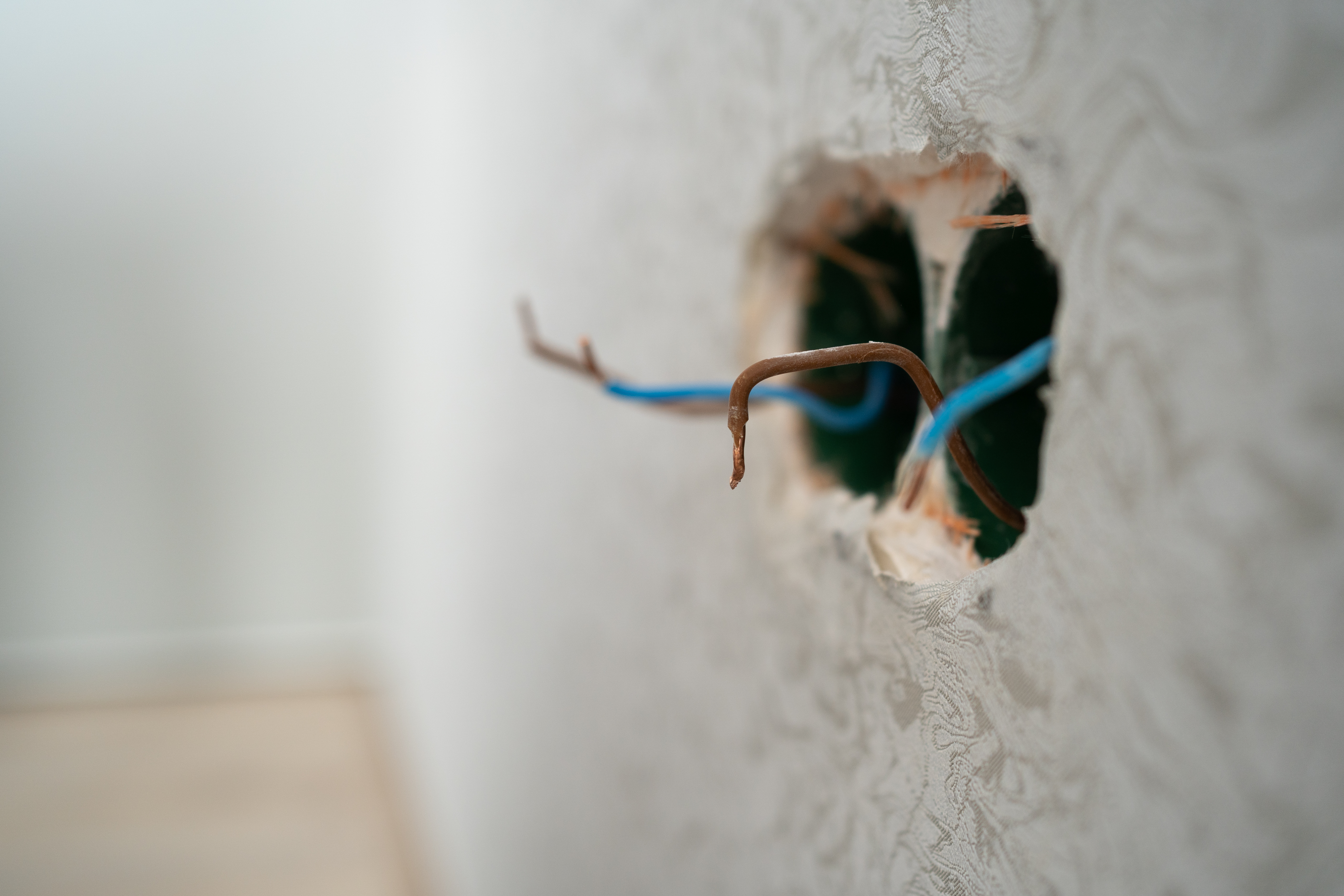
Spotting potential problems before they become serious can save you time, money, and stress. Let’s explore some key warning signs to watch for in your home.
Flickering Lights and Their Causes
Flickering lights can be more than just an annoyance; they often signal a deeper issue. You might notice this during heavy appliance use like when your washing machine is running. This could point to an overloaded circuit or loose wiring. If it’s a repeated issue, it’s crucial to investigate further. A licensed electrician can check for wiring problems or inadequate circuit capacity. Ignoring flickering lights can lead to more severe electrical failures.
Burning Smell from Sockets
A burning smell from your sockets is a serious red flag. It often indicates overheating, which might be caused by faulty wiring or overloading. If you catch a whiff of this scent, immediately turn off and unplug any connected appliances. It’s wise to refrain from using the socket until a professional has inspected it. Remember, electrical fires can start silently, so don’t delay in addressing this issue. For more safety tips, check here.
Scorch Marks on Sockets
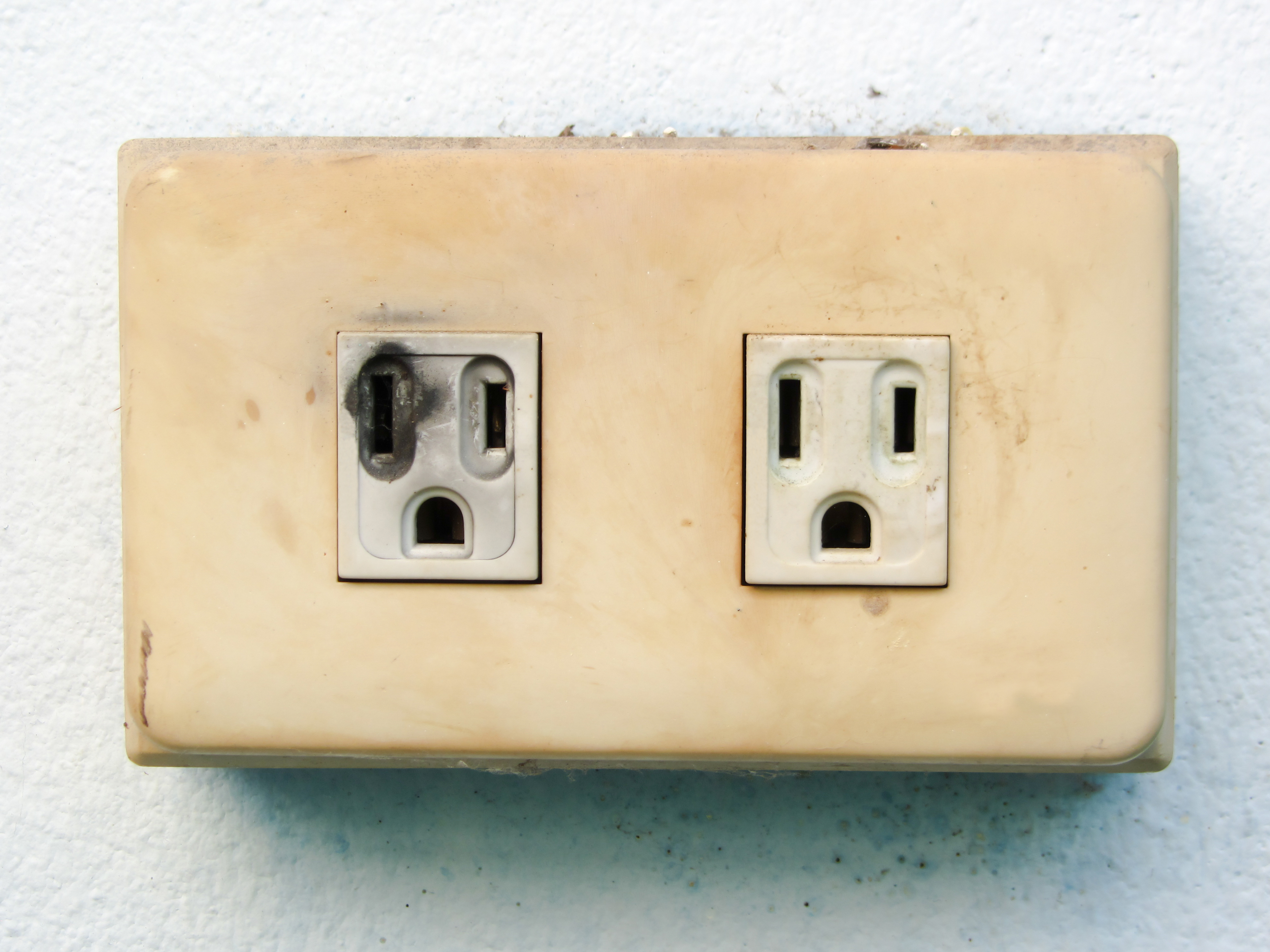
Scorch marks around sockets are visible signs of potential danger. These marks might result from sparks or overheating, posing a fire risk. If you notice them, it’s vital to have a professional inspect the socket and circuitry. These issues often stem from problems like loose connections, faulty wiring, or overuse, each requiring prompt attention to ensure safety.
Taking Safe Initial Steps
Addressing minor issues promptly can prevent major complications. Here are straightforward measures you can take before professional help arrives.
Dealing with Overloaded Extension Leads
Overloaded extension leads are common but dangerous. They can cause overheating and fires. To prevent this, never plug multiple high-wattage appliances into a single lead. Use extension leads with built-in surge protection for added safety. Keep total wattage within the lead’s capacity to ensure secure usage.
Addressing a Warm Plug Socket
A warm plug socket often signals an electrical problem. It might be due to excessive current or a loose connection. Unplug devices immediately and avoid using the socket until it’s checked by a professional. Continuing to use a warm socket can lead to more severe problems, including electrical fires.
Understanding RCD Trips
Residual Current Devices (RCDs) are vital for safety, cutting off electricity if a fault is detected. If your RCD trips frequently, it might indicate an issue like a faulty appliance or wiring. Check appliances one-by-one to identify the source. Persistent trips require professional inspection to ensure your system’s integrity. Learn more about electrical safety here.
Professional Inspections and Solutions
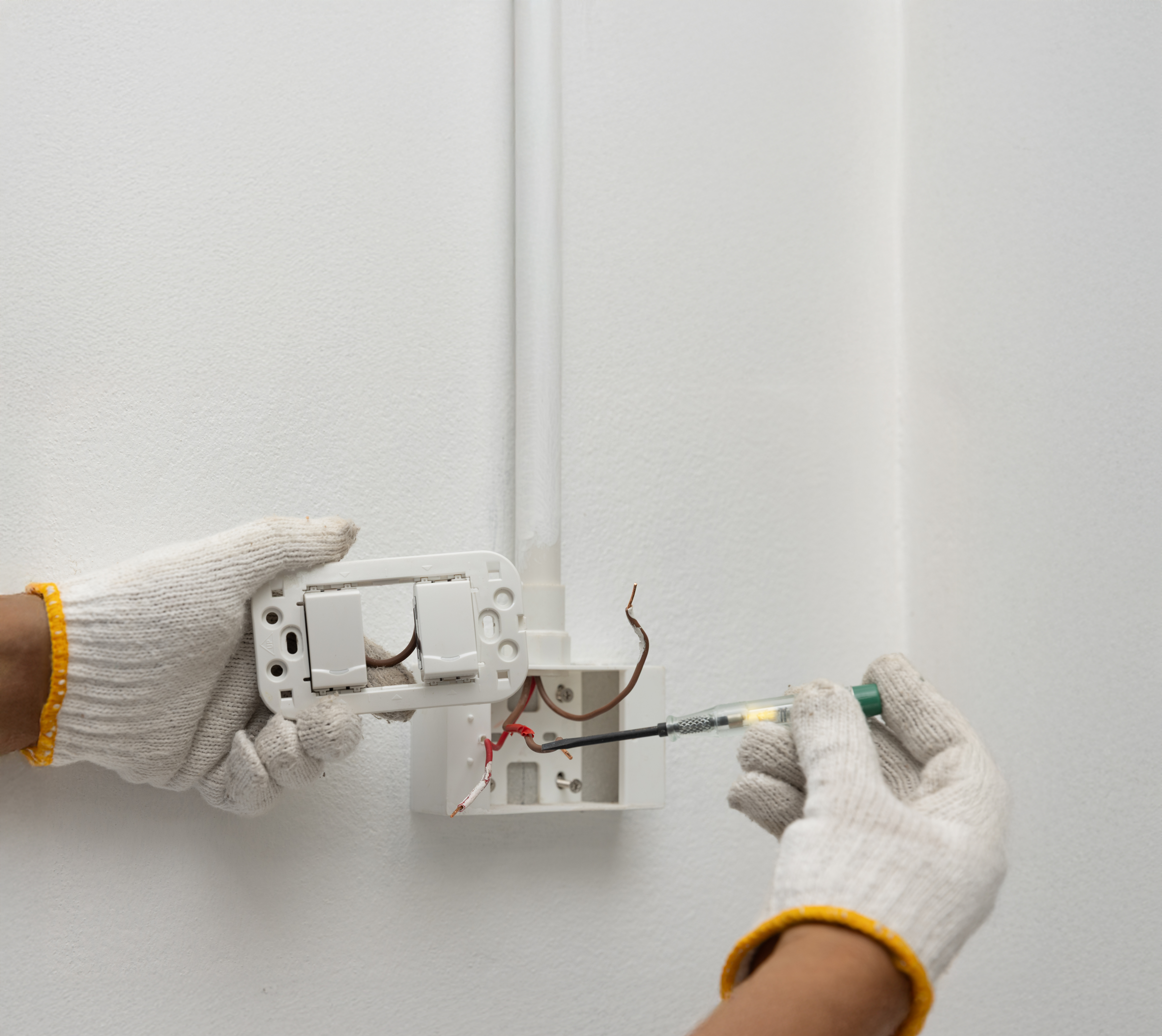
Professional evaluations can identify hidden hazards and offer peace of mind. Here’s why you should consider an inspection.
Benefits of an EICR in West Sussex
An Electrical Installation Condition Report (EICR) assesses your property’s electrical safety. It identifies potential issues before they escalate. Regular EICRs are essential, especially for landlords, ensuring compliance with regulations. With an EICR, you receive a detailed report outlining your system’s condition, keeping your property safe and sound.
Importance of a Consumer Unit Upgrade
Upgrading your consumer unit, also known as a fuse box, is crucial for modern safety standards. Older units might lack essential safety features like RCDs, increasing risk. A consumer unit upgrade ensures your system can handle modern electrical demands safely, providing enhanced protection against faults and overloads.
Surge Protection Devices and Earthing
Surge protection devices (SPDs) guard against voltage spikes, protecting your appliances from damage. Proper earthing is equally vital, ensuring excess electricity safely dissipates. Both SPDs and good earthing safeguard your home against electrical surges and shocks, enhancing overall safety. For additional guidelines, visit here.
In summary, recognising these early warning signs and taking proactive steps can help prevent costly and dangerous electrical issues. Regular professional inspections, like those offered by Elec Test South East, ensure your home’s electrical system is safe and efficient. Don’t wait for a problem to arise, be proactive and ensure your peace of mind today.